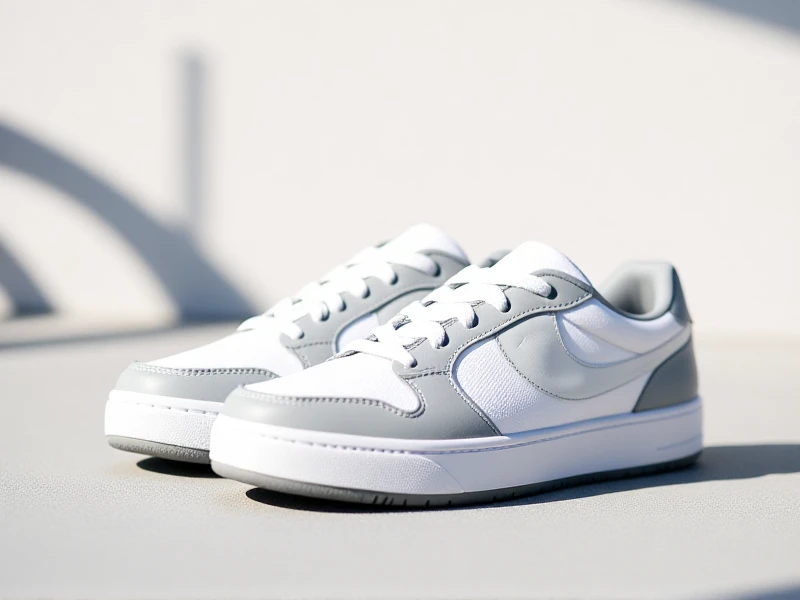
The Ultimate Guide to Choosing the Perfect Sports Shoes in 2024
Here is an SEO-optimized article about Sports Shoes:
Finding the right pair of sports shoes is fundamental for performance, comfort, and preventing injury. Whether you’re hitting the running track, the basketball court, or the gym, the correct athletic footwear makes a significant difference. This guide will help you navigate the key features so your next purchase supports your active lifestyle perfectly.
Unlike everyday sneakers, sports shoes are specifically engineered for different physical demands. The primary factor to consider is your main activity:
- Running Shoes: Designed for forward motion, they offer superior cushioning and shock absorption to protect joints on roads or trails. Look for models matching your gait (neutral, stability, or motion control).
- Basketball Shoes: Provide high ankle support, exceptional grip for quick lateral movements and jumps, and durable materials to withstand court friction.
- Training/Cross-Training Shoes: Focus on versatility. They need stability for weightlifting, flexibility for agility drills, and cushioning for plyometrics – offering a solid "jack-of-all-trades" option for varied routines.
- Court Sports Shoes (Tennis, Volleyball, etc.): Prioritize lateral stability for side-to-side motions, toe durability for drags, and responsive soles for quick pivots.
- Walking / Hiking Shoes: Emphasize comfort and support for extended periods on feet, often with enhanced outsole grip and water-resistant features for varied terrain.
Beyond the activity, focus on these critical fit elements:
- Foot Type & Arch Support: Understand your arch (neutral, low/flat, or high). Most brands offer options incorporating varying levels of arch support and stability features crucial for alignment and preventing overpronation or supination.
- Proper Sizing: Measure your feet professionally. Sports shoes often require a thumb's width of space (approx. half an inch) beyond your longest toe for swelling during exercise. Width fitting is equally important.
- Cushioning & Responsiveness: Balance is key. Max cushioning absorbs impact but may feel sluggish, while minimal cushioning offers ground-feel and speed potential but less protection. Technology like EVA foam, Air units, Gel, or TPU plates influences this dramatically.
- Upper Material & Fit: Breathable mesh is common for coolness. Ensure the midfoot feels secure without pressure points or slippage. The heel should fit snugly without rubbing.
- Outsole & Traction: The sole's rubber pattern and compound need to grip the specific surfaces you use most. Deep lugs excel off-road, flat patterns with grip zones work best on hardwood or synthetic courts.
Remember, even the best-reviewed sports shoes need replacement! Monitor cushioning feel and wear patterns on the outsole. Typically, athletic footwear is effective for 300-500 miles of running or 6-12 months of regular use before losing core support and shock absorption.
Investing in quality sports shoes designed for your specific sport and foot type is an investment in your performance and physical wellbeing. Don't compromise. Visit a reputable store specializing in athletic footwear for professional fitting advice. Trying on different brands and models, ideally late in the day when feet are slightly larger, ensures your next pair is the ultimate companion for achieving your fitness goals comfortably and safely.